Building A Permanent Home for Burlesque History & Community care
Help Us Build a Permanent Home for Burlesque History and Community Care in Davenport
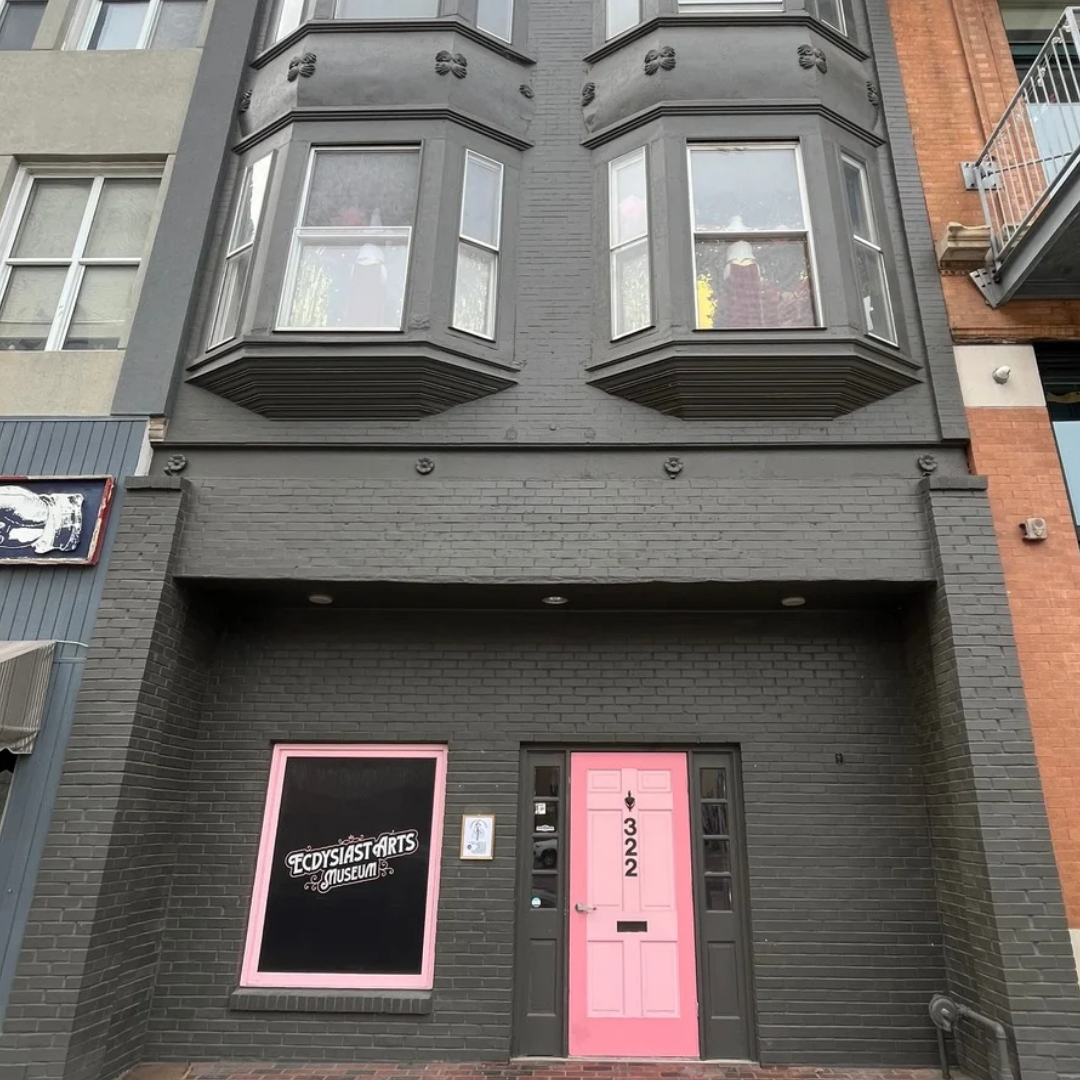
Behind a pink door in downtown Davenport, Iowa, is a 4,000-square-foot museum, archive, library, food pantry, and gathering place. The Ecdysiast Arts Museum preserves the history of burlesque and stripping while creating a space where people can learn, perform, organize, eat, connect, and experience art that might otherwise never reach a working-class Midwestern community.The museum has become a home for conversations about democracy, labor, gender, bodily autonomy, political power, and collective liberation. It is a place where Iowans can access food without shame, where artists can perform and develop their craft, and where people can learn about the women and gender-expansive performers who used burlesque and stripping to feed themselves, support their families, build community, and create their own economies when traditional systems shut them out.Today, nearly all of this work is being carried by a small team of 5 people.We are raising an initial $150,000 to protect the museum’s archive, compensate the small team keeping the space running, continue food distribution and public programming, and build the administrative foundation needed to make the museum a permanent institution in Davenport. Once we reach that first goal, we will work toward a second goal of $300,000 so the museum can move from immediate stability into long-term growth.How This Museum Became Possible
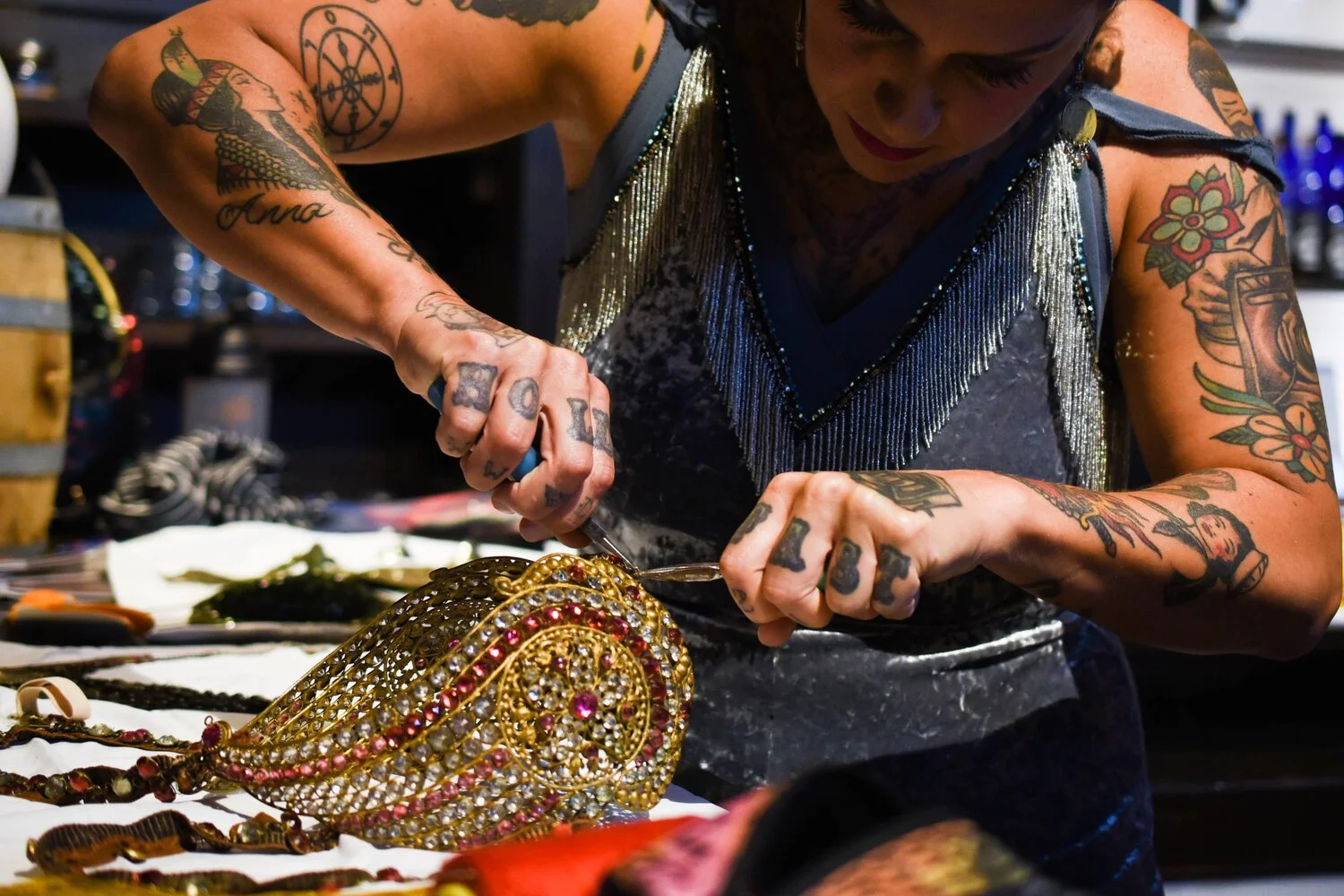
The Ecdysiast Arts Museum did not begin with a wealthy family, a major foundation, or a large endowment. It began as Danielle Colby’s labor of love.

Danielle, also known as Dannie Diesel, did not come from generational wealth. For years, she used her own income, time, relationships, and public platform to collect, research, purchase, transport, restore, and preserve pieces of burlesque and stripping history that traditional institutions often ignore.

Long before the museum had a permanent building, Danielle traveled to learn directly from performers, historians, collectors, and culture bearers. She sought out costumes, photographs, books, personal records, posters, oral histories, and performance artifacts that might otherwise have disappeared.

In 2018 and 2019, Danielle and co-producers Freya West and Hot Tawdrey created Stripping History, an interactive production that allowed audiences to see historic costumes up close while learning about the people who wore them. That work eventually grew into the Ecdysiast Arts Museum, which opened its doors in downtown Davenport in June 2025.

The museum’s collection includes a photo-matched replica of Josephine Baker’s famous banana skirt, materials from Chicago performer Lynne O’Neill’s decades-long career, a rare poster from the original Hot in Harlem Revue, and artifacts connected to performers whose lives have received little attention from traditional museums.

One of those performers is Lorraine Gail Smith, a dancer who worked in Boston’s Combat Zone during the 1970s. Shortly after being interviewed and photographed by the Bob Sales and Roswell Angier of the Boston Globe, Smith was killed by an abusive partner. Danielle spent years trying to reconstruct her life because so little information about her had been preserved.

That experience helped shape the museum’s purpose. It should not take years of searching to prove that a woman lived, worked, created, survived, and mattered. The histories of performers like Lorraine deserve a permanent home where future generations can find them.

Why Burlesque History Matters
Burlesque and stripping are often treated as spectacle, novelty, or something that should remain hidden. The history preserved inside this museum tells a much larger story.

It is a history of labor, censorship, race, class, gender, migration, bodily autonomy, popular culture, entrepreneurship, performance, survival, and political resistance.

For generations, women and gender-expansive performers used burlesque and stripping to earn income when other industries denied them access. They created their own stages, costumes, touring circuits, businesses, audiences, and professional identities.

Black, Indigenous, and other performers of color built careers despite segregation, racism, exclusion, and exploitation. Queer and transgender performers created spaces for self-expression, chosen family, safety, and cultural innovation. Disabled performers, immigrants, mothers, working-class artists, and survivors found ways to support themselves and one another outside systems that were never designed to welcome them.

These artists were more than entertainers. They were workers, designers, producers, organizers, businesspeople, and cultural strategists. They learned how to turn creativity into income and how to build community when society denied them traditional pathways to stability and liberation.

That history deserves the same care, scholarship, preservation, and public access afforded to any other major American cultural movement in the history of this country.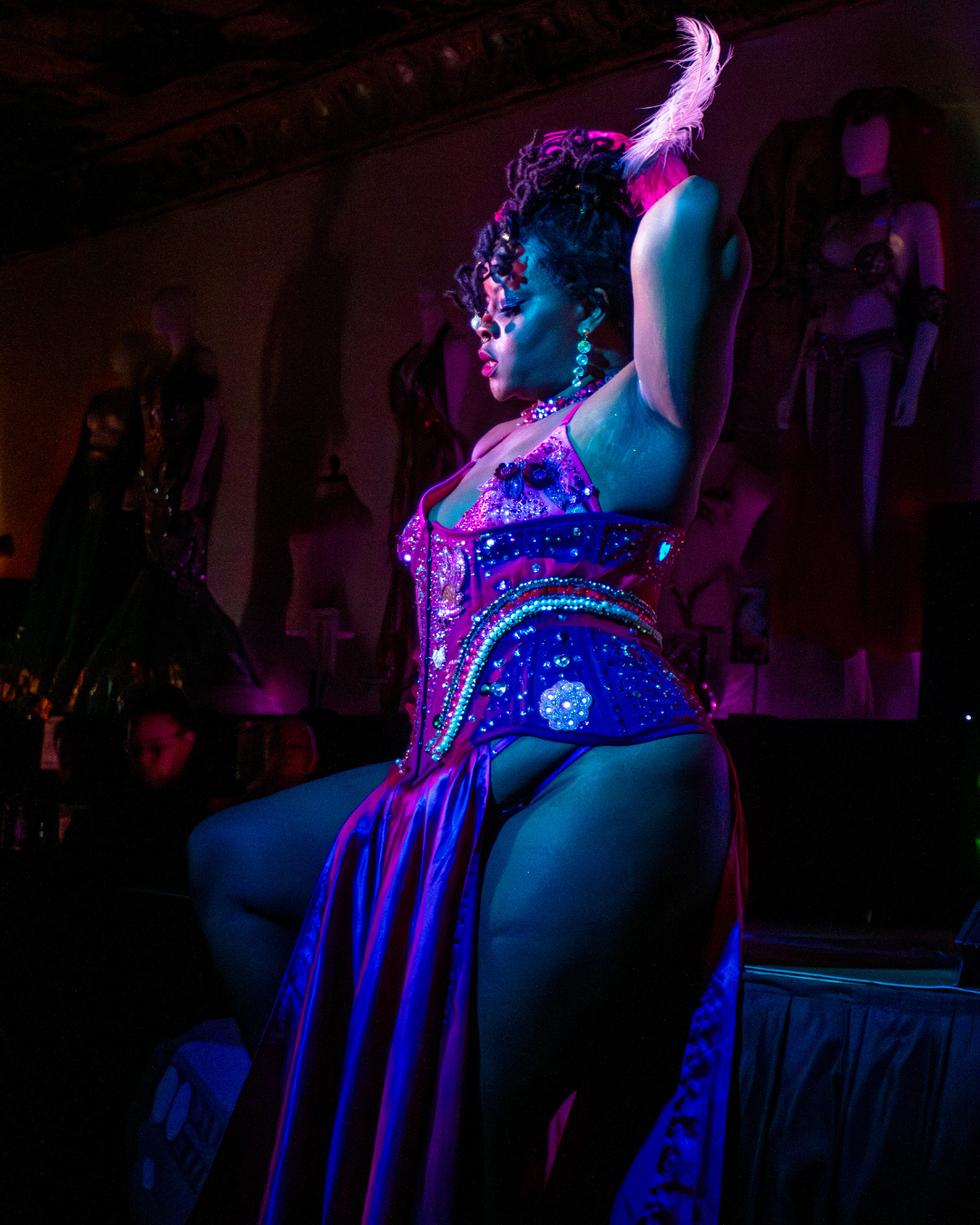
A Museum That Serves Davenport
The museum does not only preserve the past. It responds to the needs of the community surrounding it now.

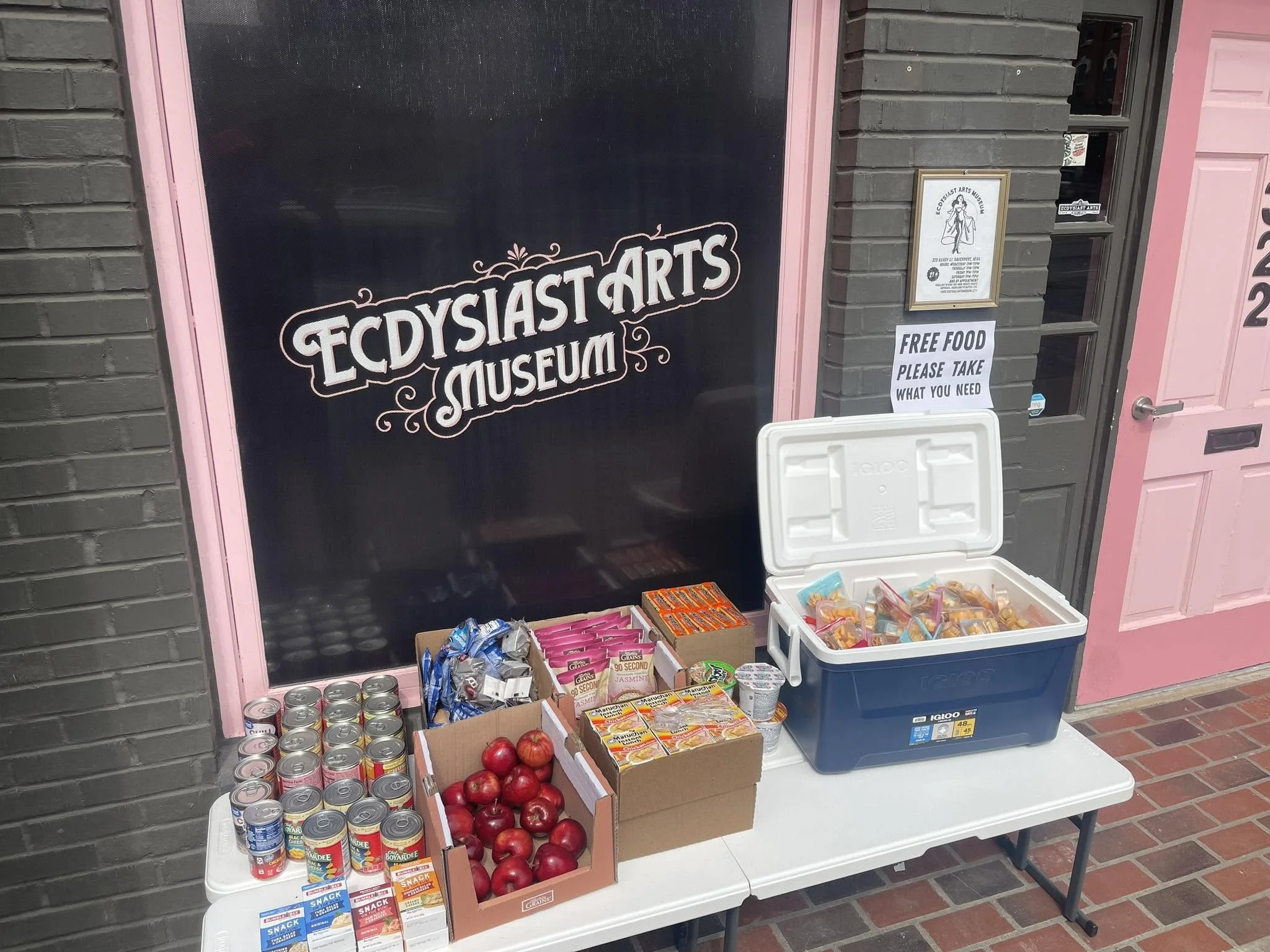
The Ecdysiast Arts Museum regularly distributes groceries to people in Davenport and throughout the Quad Cities. The team bags food for neighbors, accepts community donations, and creates opportunities for visitors to contribute shelf-stable items during events.

Food distribution is not separate from the museum’s mission. It is part of how the museum understands history, labor, and community care.

The artists whose stories are preserved here often used performance to survive, support their families, and create opportunities when none were offered to them. Honoring that history means responding to the realities people face today, including hunger, economic instability, and limited access to support.

Preserving culture while ignoring the needs of living people would be incomplete.

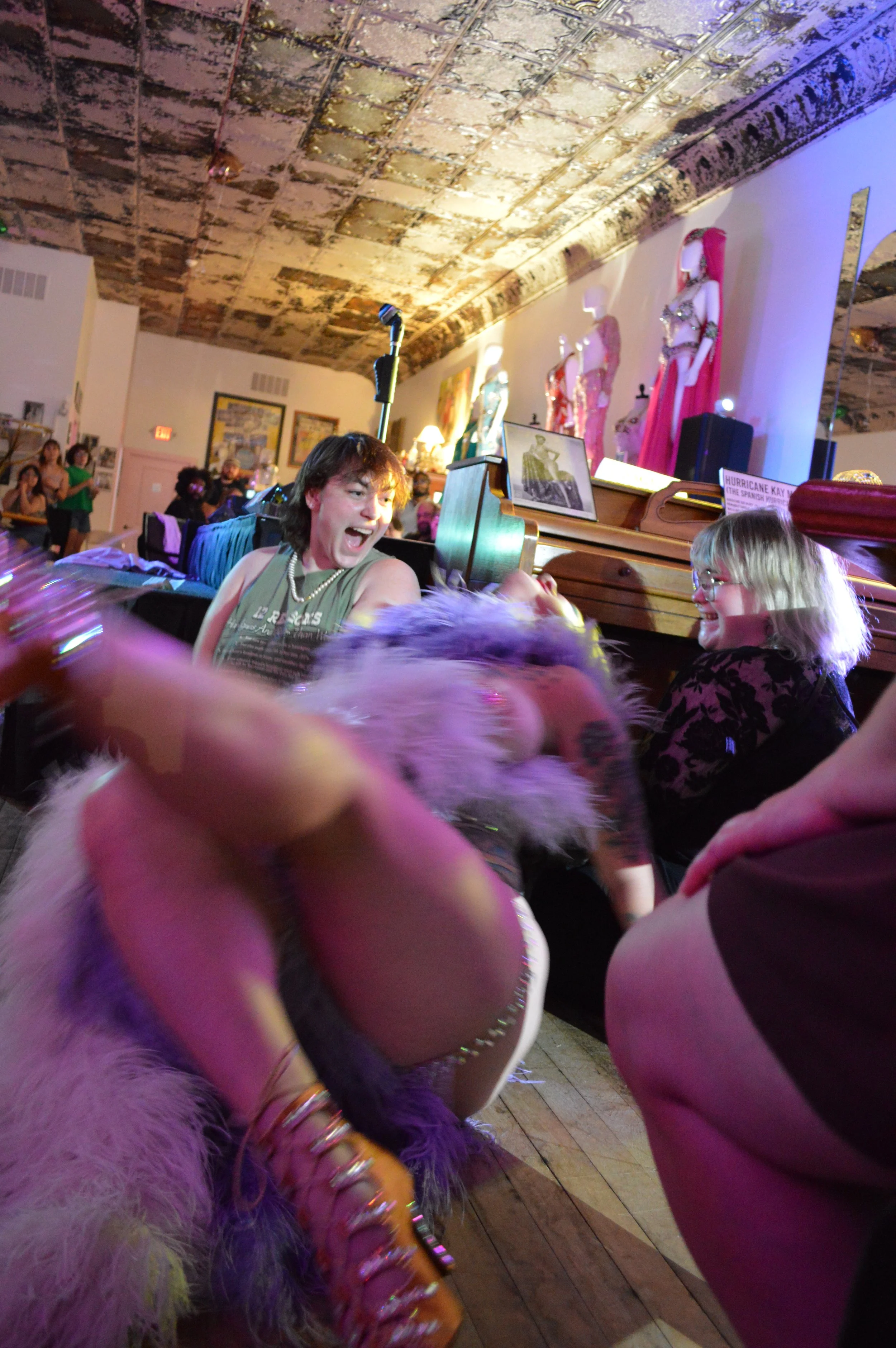
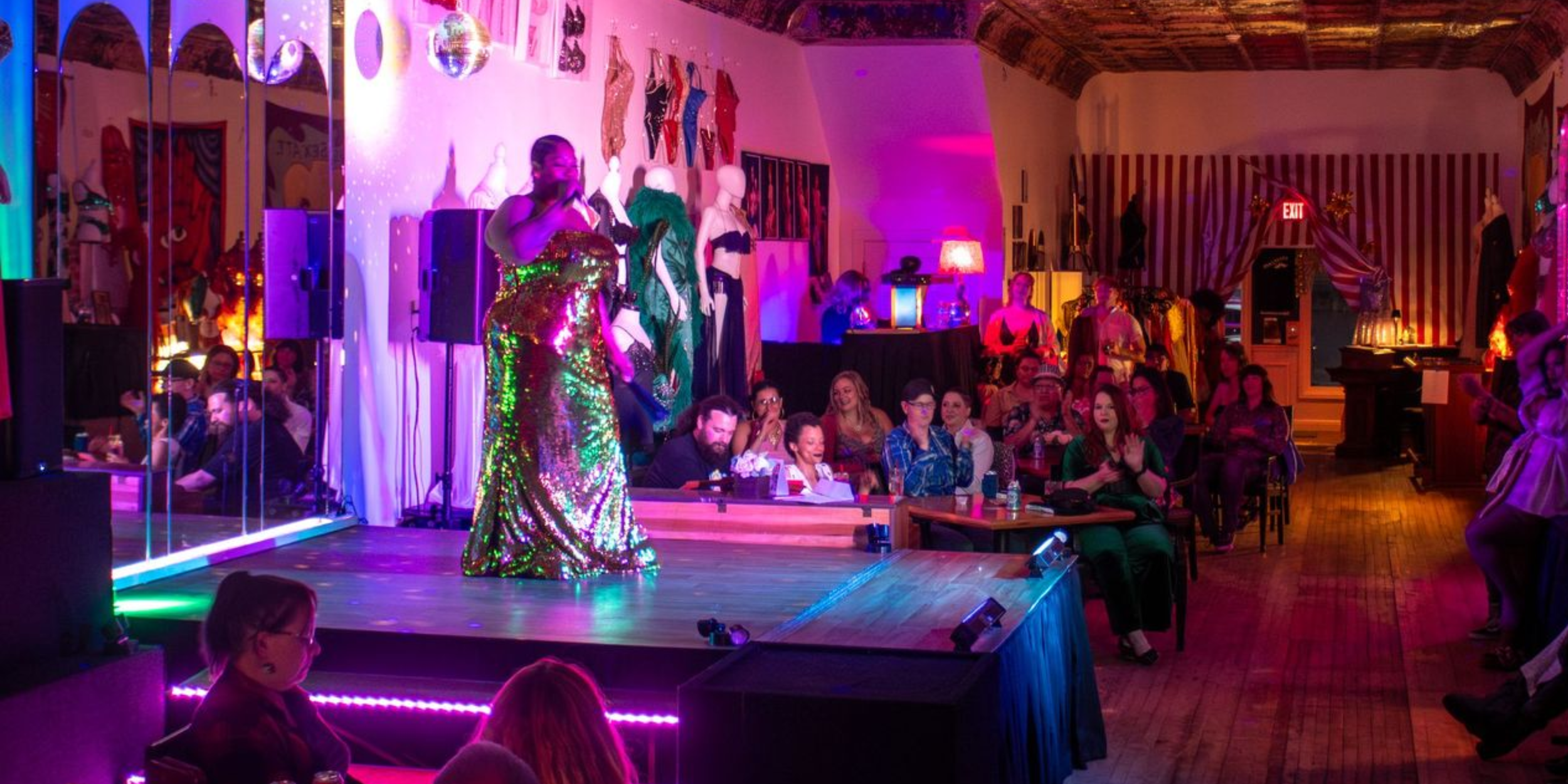
The museum also brings performances, education, and public conversations into a city where residents might otherwise have to travel hundreds of miles to access them. The space hosts museum tours, lectures, live music, poetry, open mics, dance, cultural panels, community events, and conversations about labor, democracy, gender, art, collective bargaining, bodily autonomy, and political power.

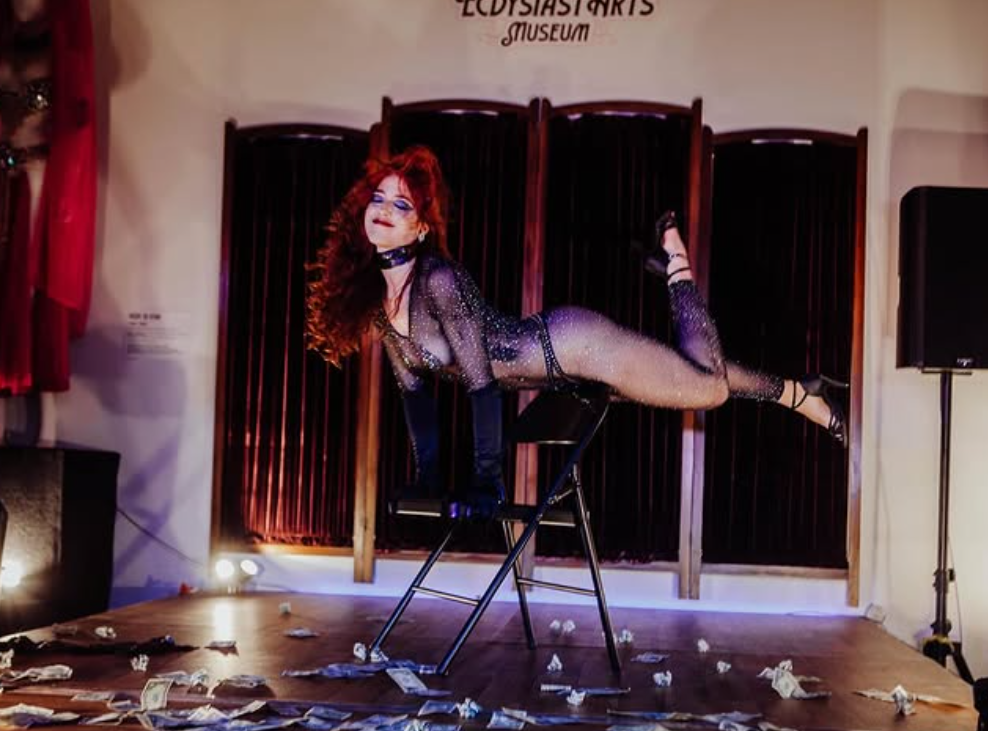
Its historic stage gifted by Sue and Chris Kretz, once housed at St. Ambrose University, now gives local and visiting artists a place to perform. Its library offers opportunities to study burlesque, feminism, gender, labor, sex work, performance, and social movements. Its dance studio provides space for artists to rehearse and develop their work.

The museum has become a place where working-class, blue-collar, rural, queer, and Midwestern communities can encounter art and ideas from across the country and around the world.

It also gives people whose histories are often dismissed or hidden an opportunity to see themselves represented with dignity.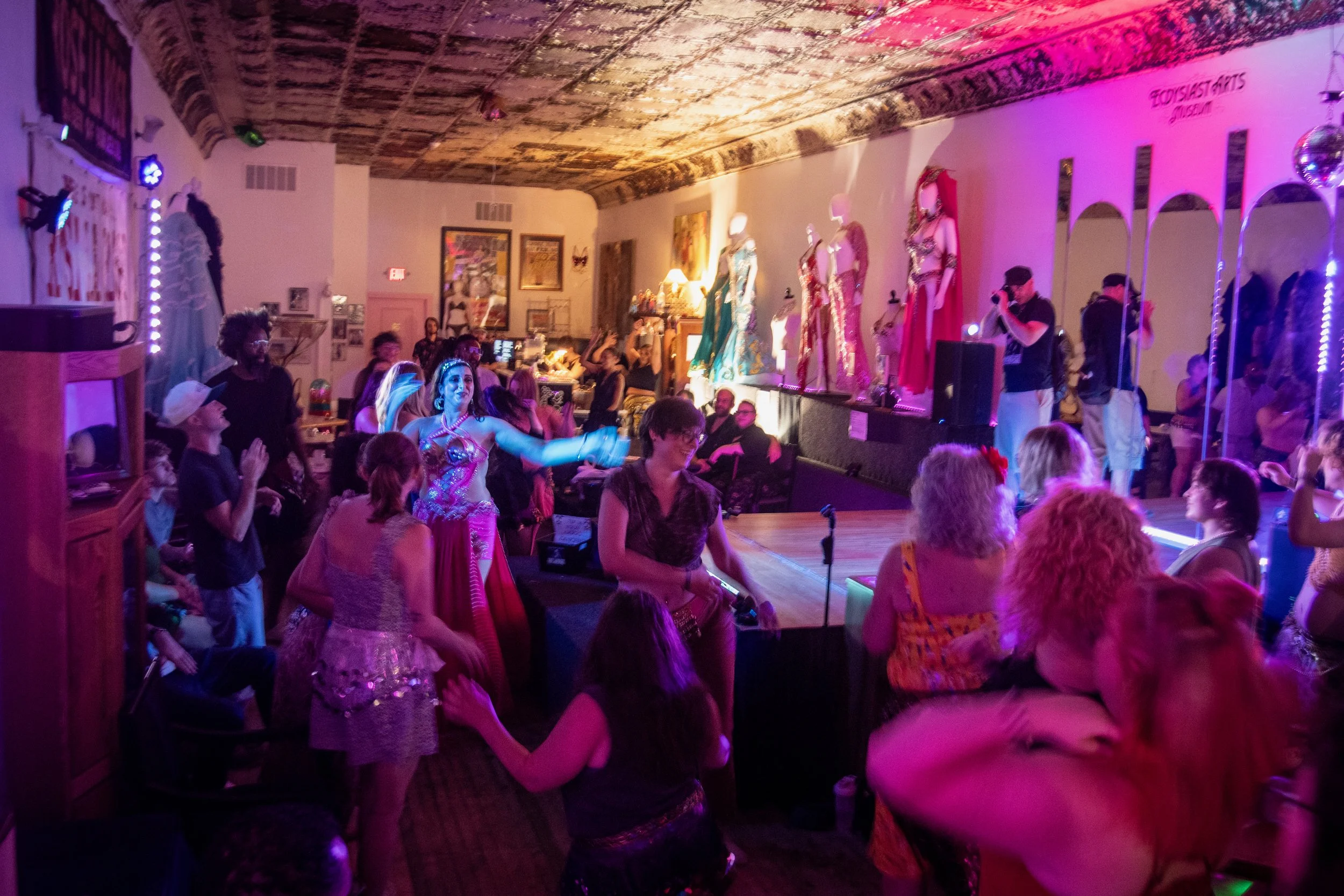
Building Economic Power for Performers
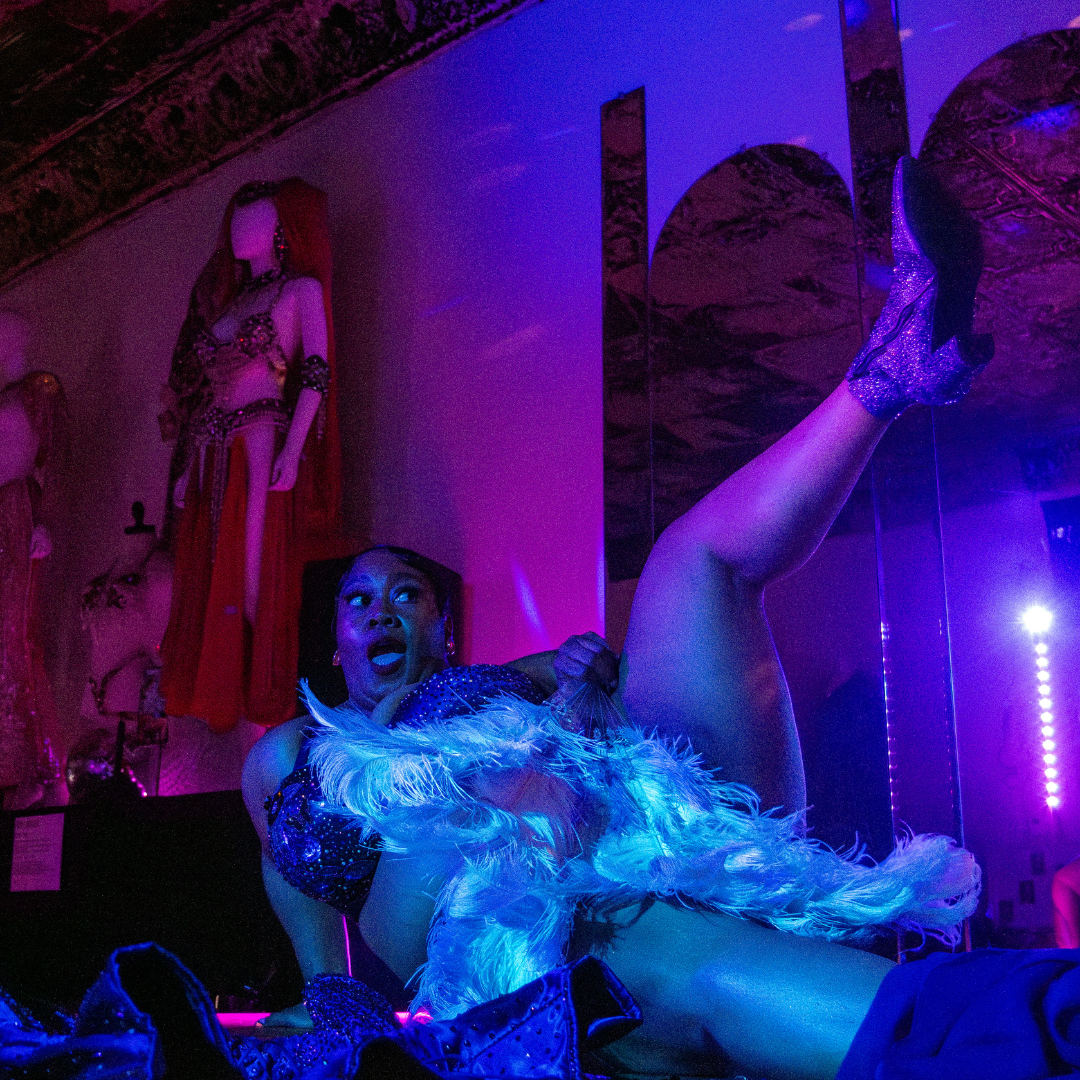
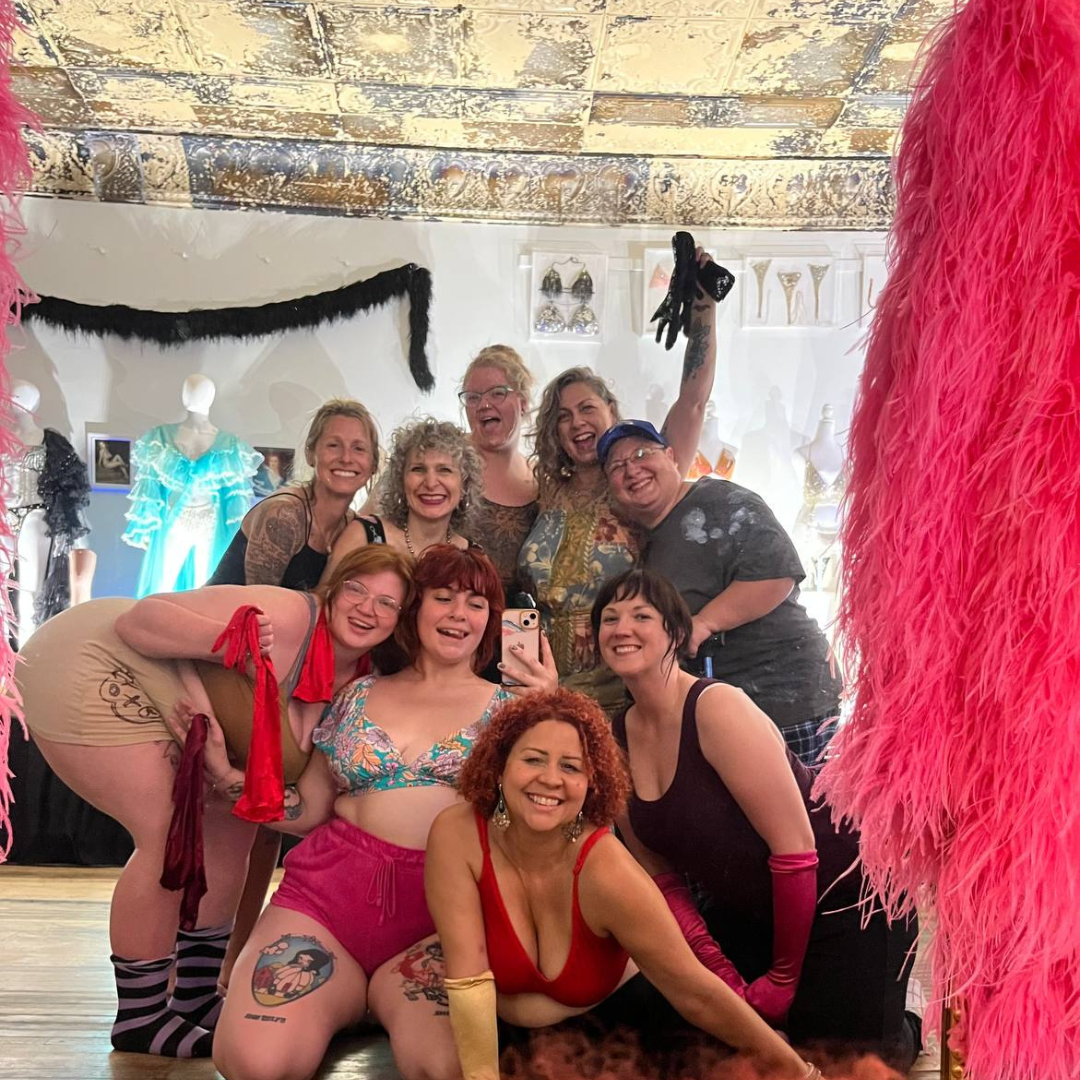
One of the museum’s long-term goals is to create workforce development programming for performance artists and cultural workers.

Artists are frequently expected to accept exposure instead of compensation, work without clear agreements, absorb their own production costs, and undervalue the labor required to create an experience for an audience. Many performers navigate irregular income, unsafe working environments, and industries that offer little support for long-term financial stability.

We want performers to have access to something different.

Future museum programming will help artists learn how to price their labor, negotiate contracts, understand their expenses, manage irregular income, protect their intellectual property, recognize exploitation, and build more sustainable artistic careers.

Performers should understand the true value of their labor and have the tools to demand it.

This work is also about preservation. Artists need support documenting their careers, protecting their materials, and understanding that their work belongs to a much larger history.

When performers learn about the people who came before them, they do not have to imagine that they are starting from nothing. They can see the lineage of BIPOC, women, LGBTQIA+, disabled, working-class, and gender-expansive performers who built their own economies when society shut them out of traditional pathways to safety, income, community, and freedom.
Why Danielle Cannot Carry This Alone
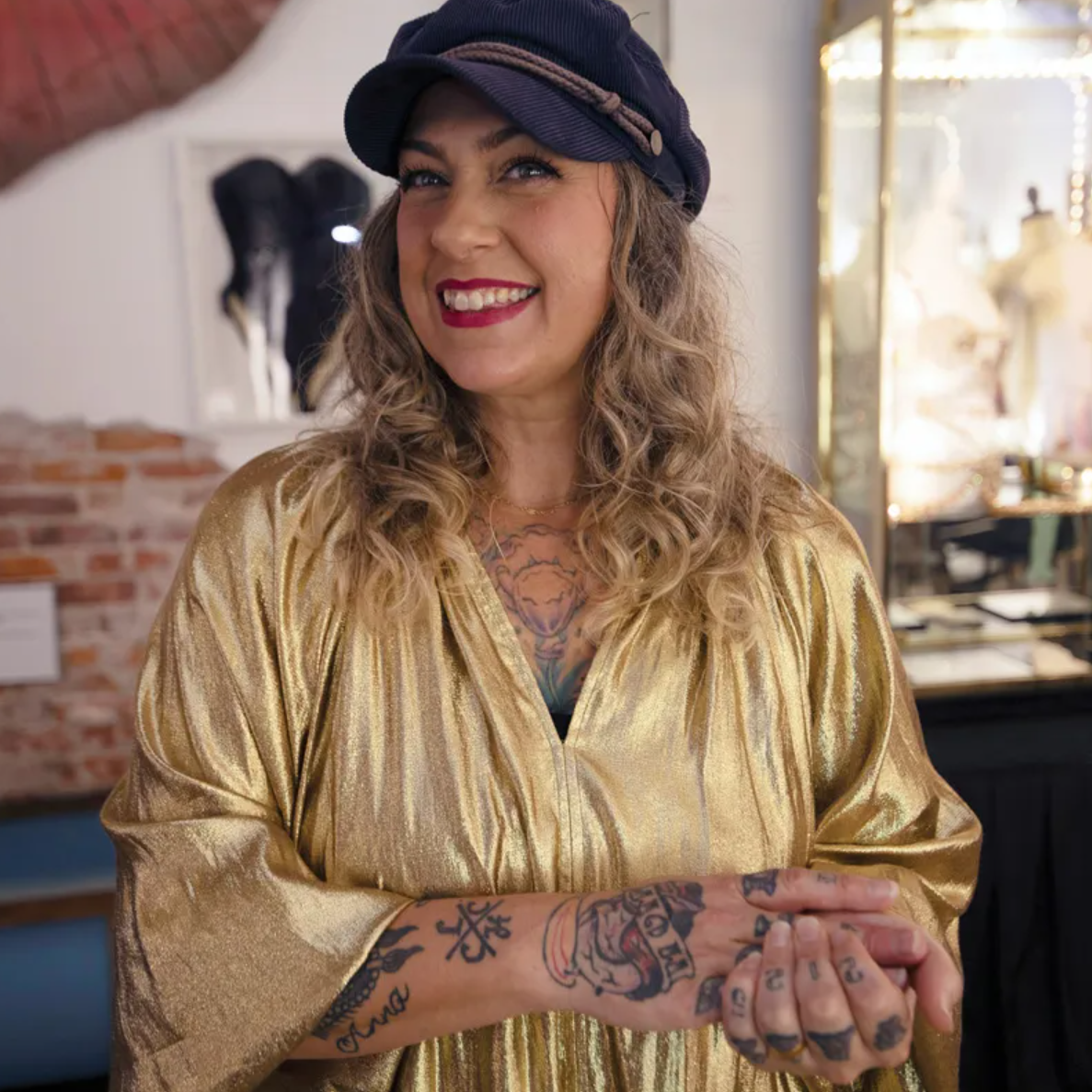
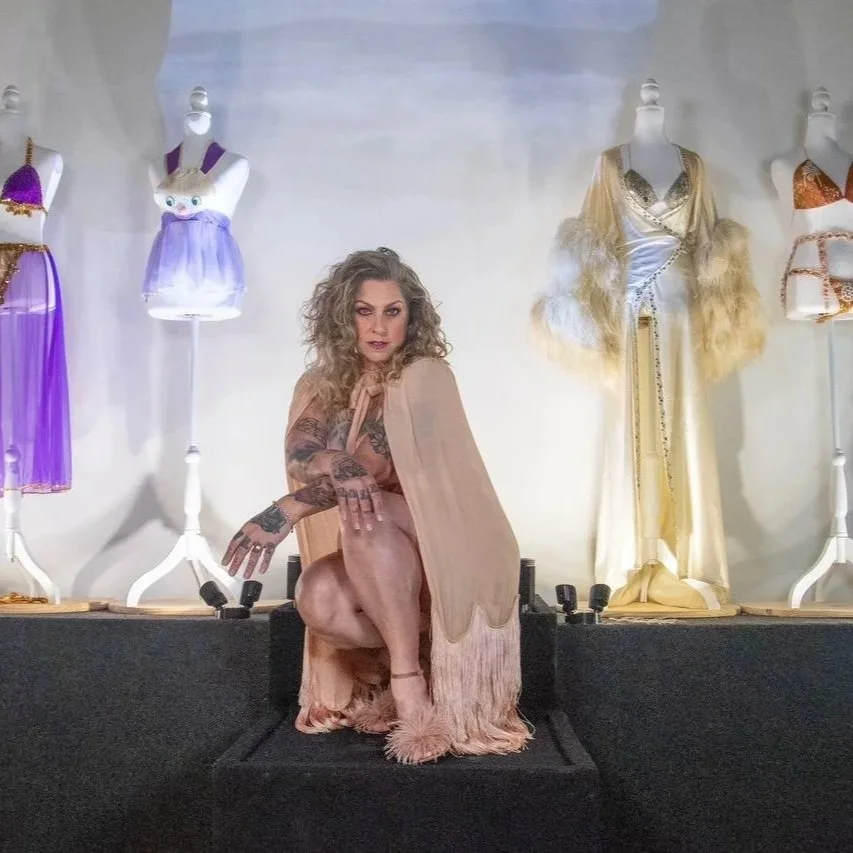
Some people may see Danielle’s public career and wonder why she cannot continue paying for the museum herself.

The answer is that she already has.

Danielle has invested two decades of her own income, labor, time, and resources into the archive, the building, the programming, and the people who make this space possible. She has also redistributed hundreds of thousands of dollars to artists, families, organizers, mutual aid efforts, disaster recovery projects, and people facing urgent needs.

She has consistently used what she had to move resources back into community.

But one person cannot permanently finance a public cultural institution.

Museums and community spaces are not sustained by one person’s income, no matter how visible or successful that person may appear. Healthy institutions rely on a combination of individual donations, major gifts, sponsorships, grants, memberships, partnerships, earned revenue, and community support.

The museum does generate income through events, bar sales, rentals, and ticketed programming. That income matters, but it cannot carry every part of the work.

Ticket sales can help pay for an event. They do not necessarily fund months of archival cataloging.

Bar revenue can help cover part of a utility bill. It cannot fully support professional preservation, staff compensation, insurance, food distribution, building repairs, educational programming, and long-term institutional planning.

The museum creates forms of value that cannot always be captured through a ticket price.

There is value in a young queer person in Iowa walking into a space where their history is respected. There is value in a family finding groceries during a difficult week. There is value in a local artist receiving their first opportunity to perform. There is value in preserving the only remaining photograph, costume, or oral history connected to someone’s life.

Markets do not always place an adequate price on public history, community care, education, or belonging. That is why cultural institutions need donors.

Danielle carried the museum from an idea into a physical space. The next chapter requires a community of people who believe that preserving this history, feeding neighbors, supporting artists, and building institutions rooted in shared liberation is a responsibility worth sharing.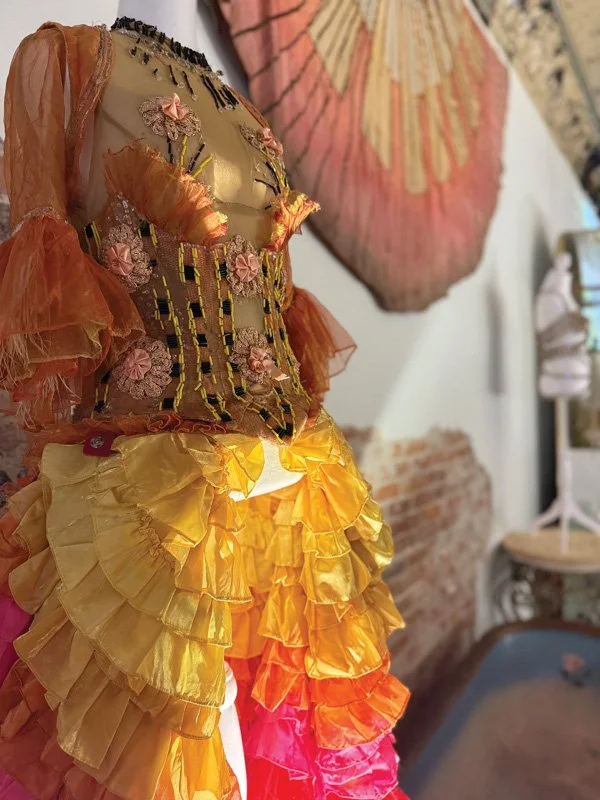
What It Takes to Keep This Space Running
Each month it costs $23,450/month to keep the musuem running. Those costs include:

Cataloging and History Preservation: $7,500/month
Performance Artists: $4200/month
Events Director: $1200/month
Marketing and Communications: $2,000/month
Fractional Finance Director: $2,000/month
Operations Director (unpaid)
Founder (unpaid)
Rent and utilities: $5,150/month
Food Distribution: $1200/month
Social Media: $200/month

Today, five people are responsible for the daily work of operating a 4,000-square-foot museum and community space. Together, they manage the archive, research, events, performances, bar operations, food distribution, artist relationships, building maintenance, communications, fundraising, safety, administration, financial tracking, public programming, and community partnerships.

This has been a labor of love, but love does not pay people for their time, protect an archive from environmental damage, cover utilities, repair a building, purchase food, maintain insurance, or create the systems required to qualify for institutional funding.

If this museum is going to remain in Davenport for decades, the people carrying its daily work must be able to do so without sacrificing their health, financial security, and personal lives.

We do not want to wait until the team is burned out, the building is in crisis, or the archive is damaged before asking for support. We are asking now because the museum has already shown what it can offer Davenport.

Our responsibility is to protect what has been built and create a foundation strong enough to support what comes next.
Our Fundriasing Goals
Our First Goal: $150,000
The first $150,000 will help the museum move out of constant crisis response and into a period of stability.

These funds will support fair compensation for the five-person core team, immediate archival protection, museum-grade preservation and display materials, building operations, insurance, utilities, maintenance, safety, food distribution, administrative systems, fundraising capacity, and preparation for fiscal sponsorship and future grants as the museum works towards establishing a 501C3.

The goal is not simply to keep the doors open for a few more months. It is to give the team enough room to document the museum’s impact, strengthen its systems, protect the collection, deepen community partnerships, and build the credibility required to attract long-term institutional support.
Our Second Goal: $300,000
Once we reach $150,000, we will work toward a total goal of $300,000.This second level of funding will allow the museum to extend fair compensation for the core team, hire professional archival support, expand exhibition and preservation infrastructure, develop educational tours and curriculum, build workforce development programming for performers, improve accessibility and visitor experience, strengthen partnerships with schools and community organizations, and create a sustainable membership and donor program.The first $150,000 protects what has already been built.Reaching $300,000 gives the museum the capacity to grow into the permanent institution Davenport deserves.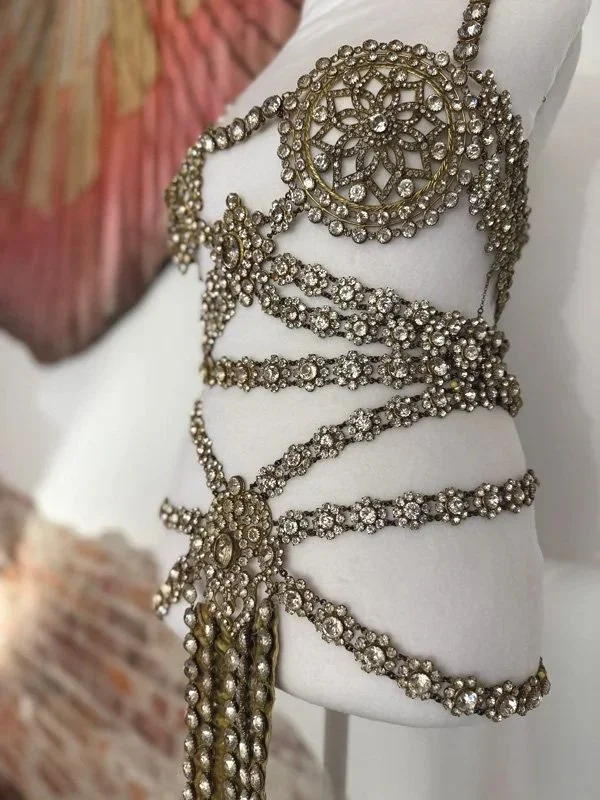

What Your Contribution Supports
Every contribution helps carry a piece of this work.

A $25 contribution can help purchase shelf-stable food, preservation materials, or basic museum supplies. A $50 contribution can support public programming and the daily care of the space. A $100 contribution can help fund educational programming, archive documentation, or artist support. A $250 contribution can contribute to professional preservation equipment, building needs, or fair compensation for the people keeping the museum operating.

Larger contributions can directly support staff stability, food access, archival protection, workforce education, and the museum’s transition into a permanent cultural institution.

No single donor has to carry the entire museum. That is the point of community.

When many people contribute what they can, the museum becomes stronger and more sustainable than it could ever be if one person were expected to fund everything.
Help Us Make This Museum Permanent
The Ecdysiast Arts Museum is not an idea waiting to be tested.

The museum is open. The archive exists. Food is being distributed. Artists are performing. People are gathering with one another. Conversations are happening. Visitors are walking through the pink door and finding history, art, knowledge, care, and community on the other side.

This campaign is about giving a proven community resource the foundation it needs to last.

We believe Davenport deserves a permanent institution dedicated to preserving burlesque and stripping history. We believe the labor and economic histories of women, gender-expansive people, queer and transgender people, people of color, disabled people, working-class people, and performance artists deserve serious preservation.

We believe a cultural institution can preserve history while feeding people. We believe performers deserve the tools to understand their value, protect their labor, and build sustainable lives. We believe communities can create the institutions they were once told they did not deserve.

Please contribute what you can and share this campaign with people who care about art, labor history, bodily autonomy, queer and feminist history, food access, Iowa, the Quad Cities, or the power of communities to build something lasting together.

Help us reach our first goal of $150,000.

Help us protect the archive, sustain the people doing the work, feed our neighbors, educate future generations, support performers, and build a permanent home for this history in Davenport.

The museum is currently operating as a social enterprise and exploring fiscal sponsorship to expand its future access to grants and charitable funding. At this time, contributions are not tax-deductible. Every dollar raised through this campaign will directly support the museum’s archive, operations, team, public programming, food distribution, and community work.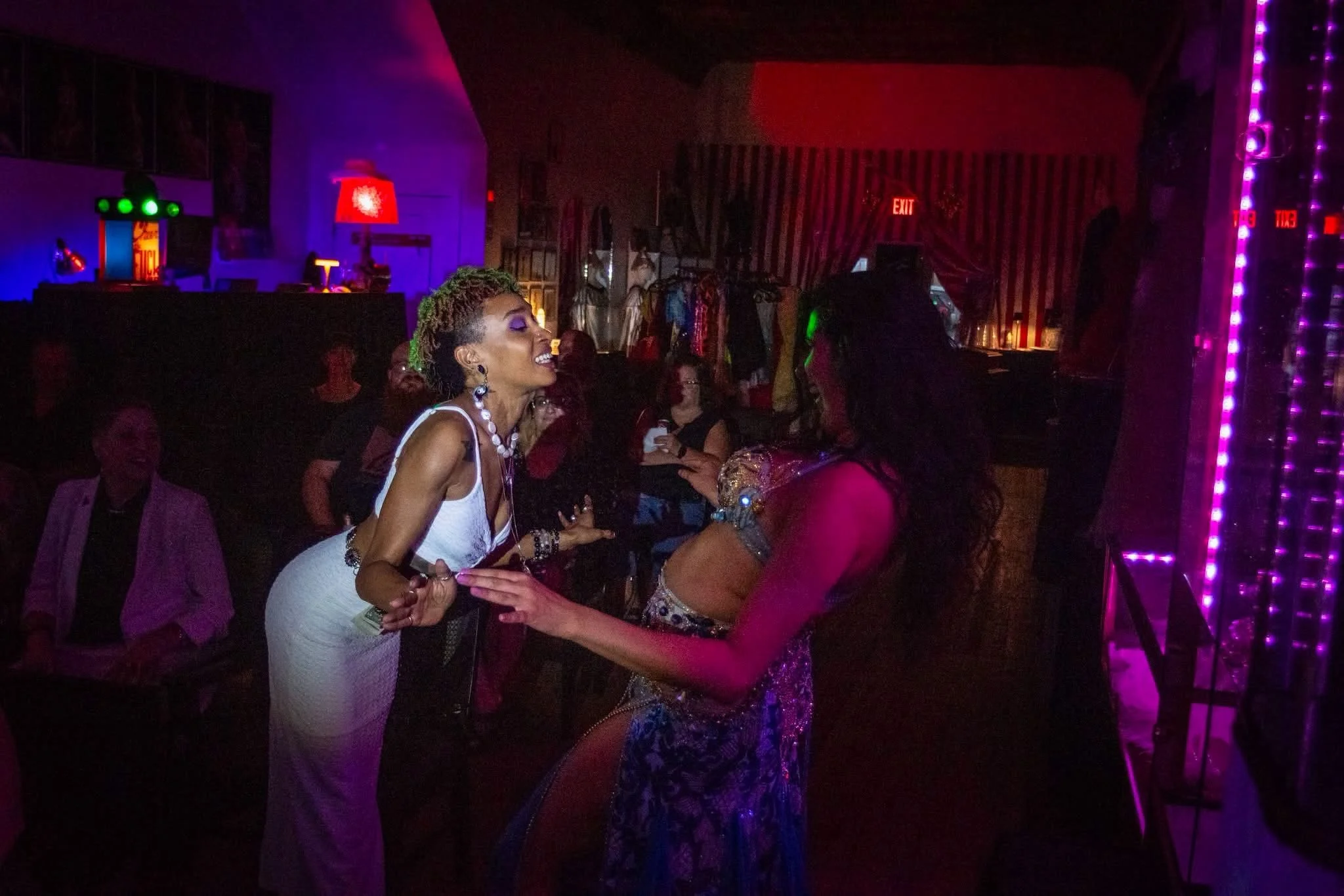
help us reach our goalS!
Contribute to our GoFundME account to help us reach our 1st Goal of $150,000